
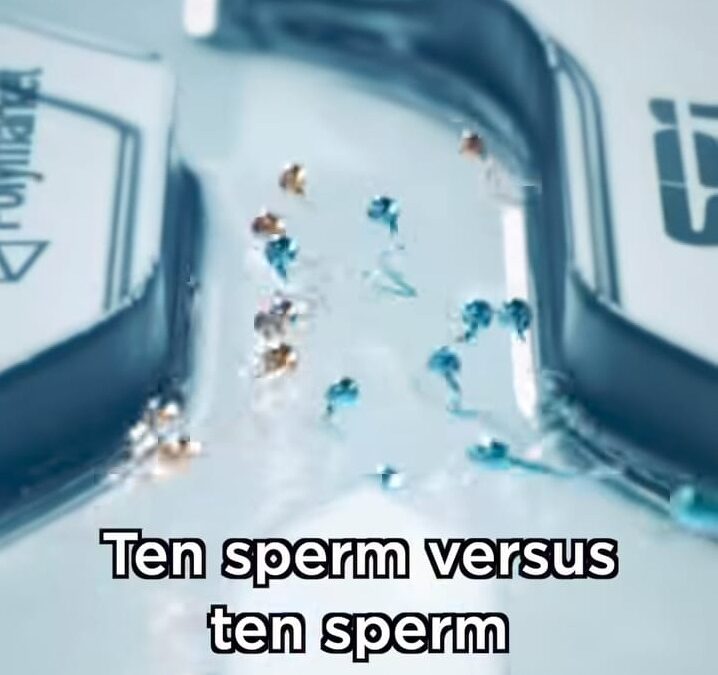
Picture this: a packed film studio in Los Angeles, the crowd roaring as two athletes face off on a massive screen. But these aren’t runners on a track. They’re sperm cells. Swimming. In real time.
Welcome to the bizarre, brilliant, and completely unexpected world of Human Sperm Racing—a concept that sounds like a late-night comedy sketch but has somehow become a serious, million-dollar movement. And at the center of it all? A 17-year-old high schooler from the Bay Area named Eric Zhu who, frankly, might just be a genius.

The Origin Story: A Spark of an Idea
Every great invention has an origin story, and sperm racing is no exception. The concept was born during a seemingly ordinary conversation about sperm health between Eric Zhu and a group of friends at a concert. As a former swimmer, Zhu drew an unexpected parallel between athletic training and sperm optimization. He remembered how his diet and flutter-kick drills improved his swimming performance, and he thought, Why not apply that same logic to sperm and make it a sport?
Zhu wasn’t just some random teenager with a wild idea. He was a serial entrepreneur who had already co-founded a data analytics platform called Aviato from his high school bathroom. He had been kicked out of school but was probably some kind of genius with an innate understanding of what makes online entertainment tick. For him, sperm wasn’t just a biological substance; it was a “biomarker” that could be optimized, trained, and, most importantly, raced.
His inspiration also came from a more serious place. Zhu was alarmed by social media posts claiming that average sperm counts had halved over the past 50 years. Fearing a “dystopian future where no one will be able to make babies,” he saw an opportunity to use humor and competition to spark a conversation that most people were too uncomfortable to have.
The Birth of a Viral Movement: The Race in April 2025
On April 25, 2025, inside the LA Center Studios in downtown Los Angeles (with a change of venue from the originally planned Hollywood Palladium), history was made. The world’s first-ever live sperm race unfolded in front of a live audience of over 1,000 people and hundreds of thousands more watching online. It was a spectacle that blended live sports, science, and social awareness.
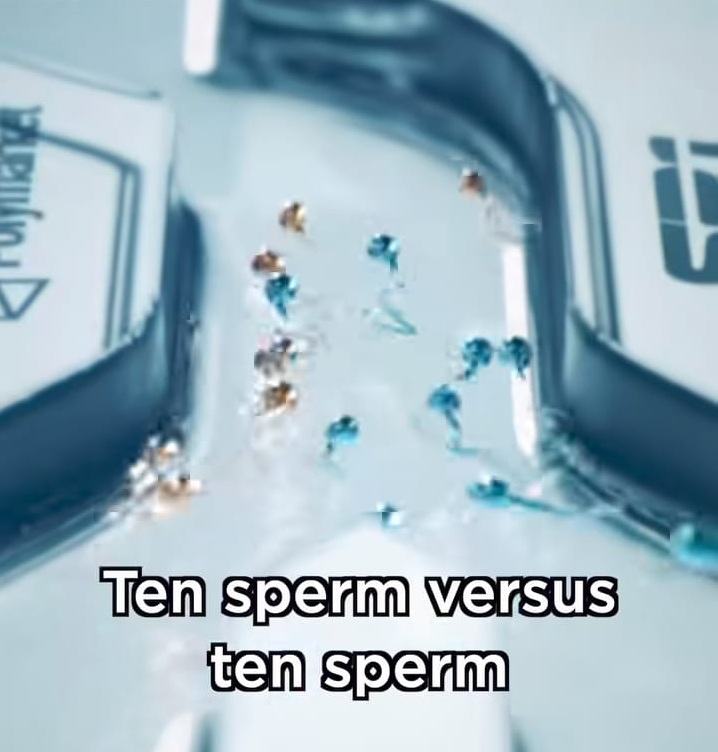
The main event featured two college rivals: Tristan Milker from USC and Asher Proeger from UCLA. After weeks of training—cutting alcohol, exercising, and optimizing their diets—the two men produced samples that were placed on a specially engineered microfluidic racetrack designed to mimic the chemical signals and fluid dynamics of the female reproductive system. The race was magnified 100 times under a microscope, filmed by high-resolution cameras, and broadcast onto massive screens using 3D animation software. The sperm cells swam upstream using a natural behavior called rheotaxis, with the one crossing the finish line first being declared the winner.
The event was a wild success. Tristan won the best-of-three race, taking home a $10,000 cash prize and a golden sperm trophy. The loser was playfully doused with a semen-like liquid. The YouTube livestream attracted over 100,000 views, and the event was covered by major news outlets worldwide, from AFP to The Guardian to Vanity Fair.

The Science Behind the Spectacle: How Does Sperm Racing Work?
So, how exactly does one race sperm? It’s not as simple as putting a sample under a microscope and yelling “Go!” The process is surprisingly sophisticated:
- Contestant Selection: Young men from rival schools or backgrounds are chosen to compete. They are given time and resources to “train” by improving their diet, sleep, and exercise routines.
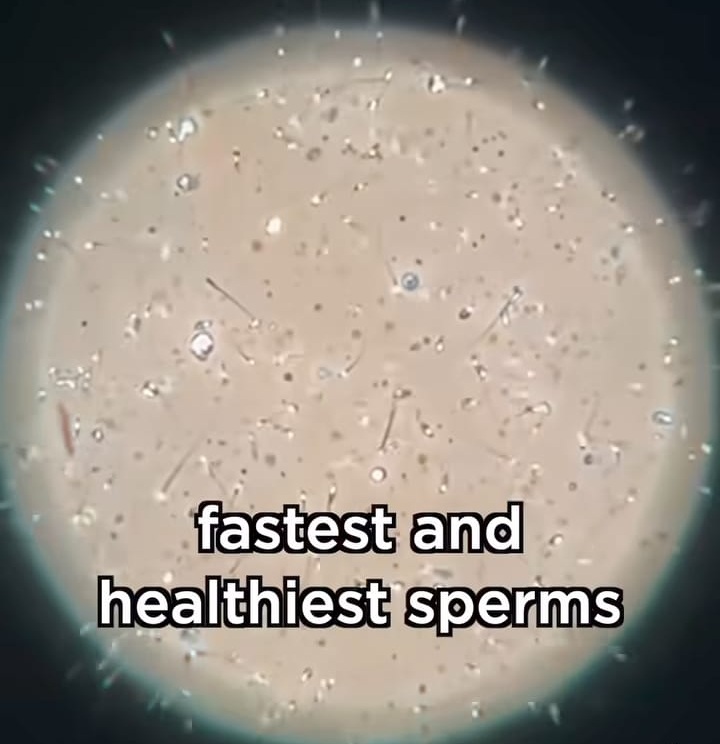
- Sample Collection: Contestants produce samples, which are then processed to isolate the sperm cells.
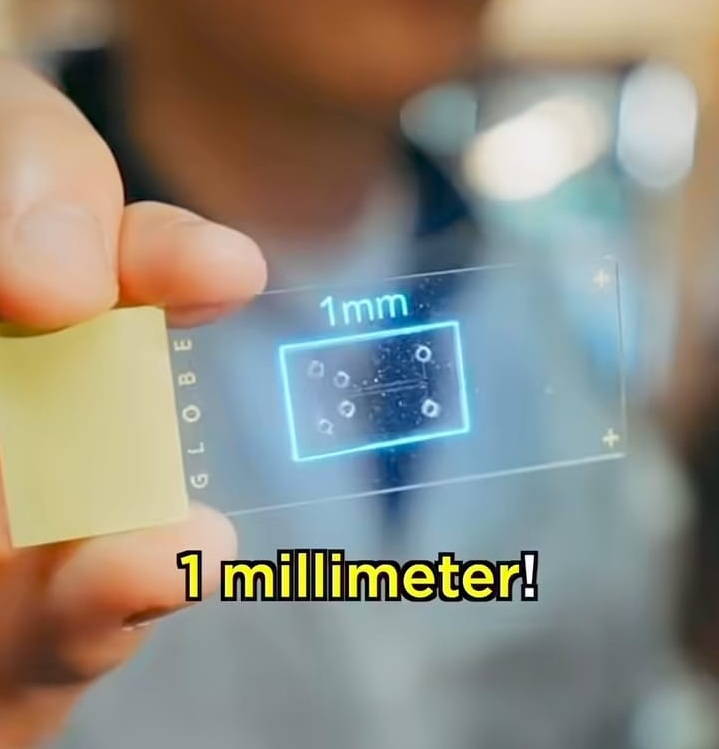
- The Track: The sperm are placed on a five-millimeter, two-lane microfluidic racetrack that mimics the female reproductive system, complete with chemical signals and fluid dynamics.
- The Race: Roughly 200 washed sperm cells swim upstream in each lane. The action is magnified 100 times and filmed by a camera that transfers the image to a 3D animation software, which broadcasts the race to the audience in real time.
The company even has a “Sperm Racing Professional Sperm Analysis Kit” that measures concentration, motility, and progressive motility—the same metrics used in actual fertility clinics.
The Bigger Picture: The Male Fertility Crisis
Beneath the lewd jokes and golden sperm trophies, Eric Zhu had a serious message. His event was designed to highlight a growing global health crisis: declining male fertility.
According to studies, sperm counts have dropped by more than 50% globally over the past 50 years, a trend linked to lifestyle factors like poor diet, obesity, smoking, and exposure to environmental chemicals. Reproductive epidemiologist Shanna Swan of Mount Sinai’s Icahn School of Medicine, who co-authored a key study on the decline, noted that the proliferation of “hormonally active chemicals” in recent years has had a negative impact on human fertility.
Zhu was careful to distance himself from the pro-natalist movement and figures like Elon Musk, who advocate for higher birth rates. “I’m not like an Elon Musk, who wants to repopulate the Earth,” Zhu told AFP. Instead, he insisted that his goal was simply to raise awareness of how sperm quality goes hand in hand with overall health. “It’s your choice to sleep earlier. It’s your choice to stop doing drugs. It’s your choice to eat healthier, and all these different things have a significant impact on your motility,” he said.
The Controversy: Is It Real or Just a Stunt?
Of course, no story this bizarre would be complete without a dose of controversy. Almost immediately after the event, reports surfaced questioning the race’s authenticity. The Free Press and other outlets claimed that the winners were known in advance, the race was computer-generated, and the entire thing was a viral stunt.
Zhu himself admitted that the timeline was tricky. Because the cleaning process for sperm takes about an hour, the races had to be recorded earlier and edited to make them more “interesting” for the audience. This led to accusations that the event was less about science and more about spectacle. Some attendees even admitted they didn’t learn anything new. “I can’t say I learned stuff I didn’t know before,” said 22-year-old audience member Alberto Avila-Baca.
But Zhu remained defiant. “Sperm racing isn’t just a joke,” he said. “It’s not just some viral idea for the internet to laugh at. It’s something much bigger. Male fertility is declining, like, a lot. It’s happening quietly, steadily, and nobody’s really talking about it”.
The Future of Sperm Racing: From a Viral Gag to a $75 Million Empire
Despite the skepticism, Eric Zhu’s sperm racing concept has proven to be more than a one-hit wonder. Just a few months after the first event, the company secured $10 million in seed funding from investors, valuing the startup at an astonishing $75 million. The company has since developed a real-time race mechanism and is hawking a supplement called “Sperm Worms”.
Zhu has expressed hopes that sperm racing might someday be an Olympic event, and the company plans to expand to other cities to break down the stigma surrounding men’s fertility. It’s a strange, surreal journey for a concept that started as a conversation at a concert.
Conclusion
The Human Sperm Race is many things: a viral stunt, a health awareness campaign, a tech startup, and a cultural phenomenon. But above all, it’s a testament to the power of a single, audacious idea. Eric Zhu, a 17-year-old with a wild imagination and a background in swimming, took a taboo topic and turned it into a spectacle that the world couldn’t look away from. Whether you find it hilarious, disturbing, or oddly inspiring, one thing is certain: you’ll never look at a petri dish the same way again.
📜 Disclaimer
The information and content provided on www.mybeaudate.in, including articles, blogs, and other materials, are for general informational and entertainment purposes only. The views and opinions expressed in guest articles or user-generated content belong solely to the authors and do not necessarily reflect the official policy or position of MyBeaudate.in. We do not provide medical, legal, or professional advice. Any information regarding health, fertility, or wellness should not be used as a substitute for professional medical consultation. Always seek the advice of a qualified healthcare provider with any questions you may have regarding a medical condition. MyBeaudate.in is not responsible for any errors or omissions in the content or for any actions taken based on the information provided on this website. By using this site, you acknowledge and agree that any reliance on such material is solely at your own risk. We reserve the right to modify, update, or remove content at any time without prior notice.